
How to Select Your Best Work for Tattoo Competitions
Entering tattoo competitions is one of the most exciting ways to showcase your skills, gain recognition, and connect with the broader tattoo community. However, the key to success often lies not just in your artistic ability, but in your strategic approach to selecting and presenting your work. For artists building their practice, competition success is a crucial component of building your tattoo business from apprentice to shop owner.
This comprehensive guide will walk you through everything you need to know about choosing your best pieces for competition submission, from understanding what judges look for to mastering the technical aspects of portfolio presentation. For a complete directory of tattoo competitions worldwide, explore our global competitions directory featuring major international conventions and online contests.
Understanding Competition Categories
Most tattoo competitions are organized by style categories, and understanding these categories is crucial for effective portfolio selection. Each category has specific characteristics and judging criteria that you need to consider when choosing your work.
Style-Specific Categories
Traditional/Classic Traditional tattoos feature bold outlines and solid colors with classic imagery like eagles, roses, and anchors. Judges look for clean, readable designs that maintain their impact from a distance.
Realism/Photorealism These categories demand photographic quality and detail with accurate proportions and shading. Technical precision in execution is paramount, requiring flawless attention to detail.
Black and Gray Black and gray work showcases mastery of shading techniques, contrast, and depth. Judges evaluate smooth gradients and transitions that create dimensional effects.
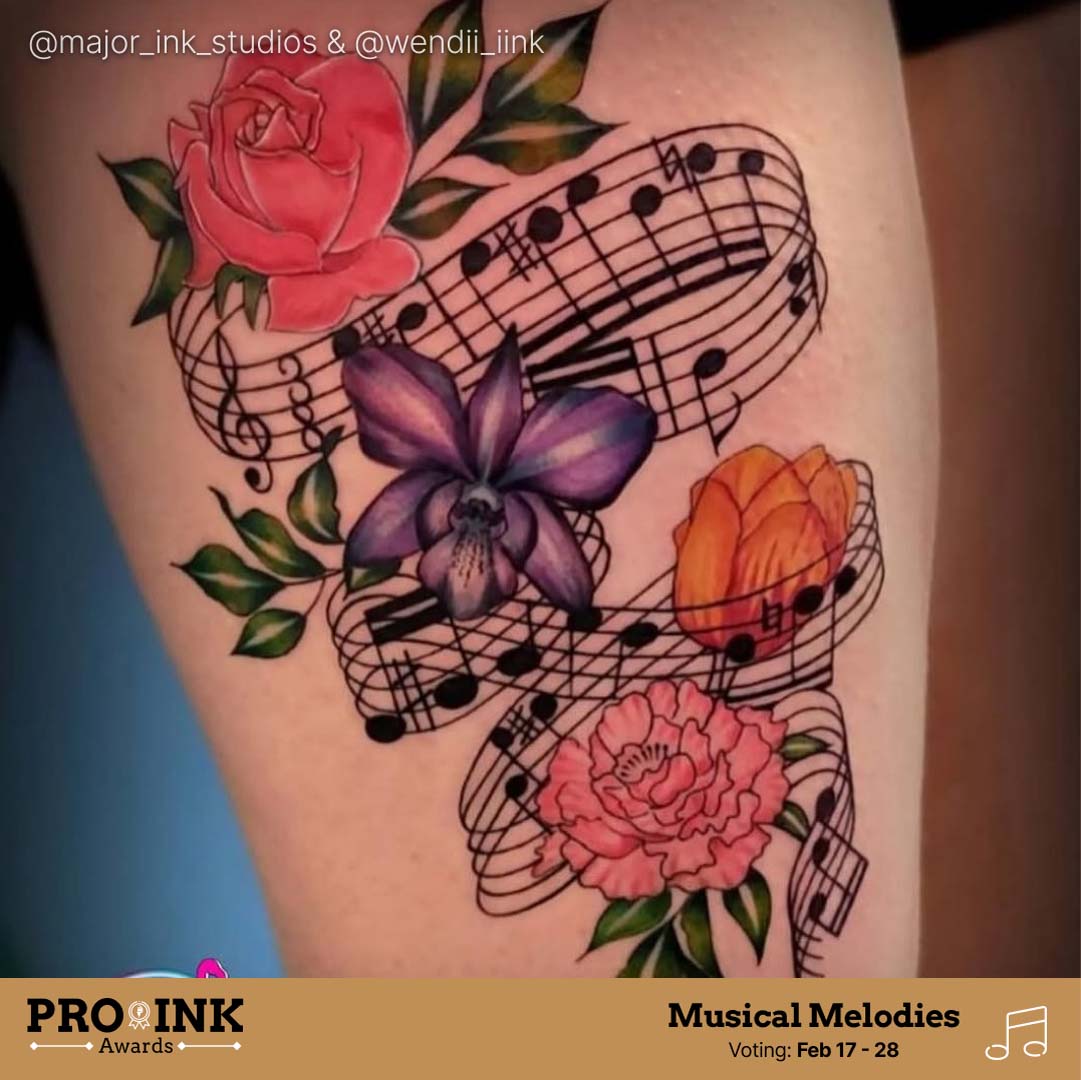
Color Work Color categories emphasize vibrant, well-saturated colors with proper color theory and harmony. Technical color application and color relationships are key evaluation points.
Japanese/Traditional Japanese These categories require traditional motifs and symbolism with proper composition and flow. Cultural authenticity and respect for traditional elements are essential.
Abstract/Artistic Abstract categories value creative interpretation and unique artistic vision. Technical innovation within artistic expression is highly regarded.
Mixed Media and Specialized Categories
Watercolor: Fluid, artistic interpretation with soft edges and color blending Geometric: Precision and mathematical accuracy with clean lines and perfect symmetry Biomechanical: Technical detail and creativity combining organic and mechanical elements Portrait: Likeness accuracy and technical skill in capturing human features
What Judges Look For
Understanding judging criteria is essential for selecting work that will resonate with competition judges. Judges evaluate both technical excellence and artistic merit, looking for work that demonstrates mastery in multiple areas.
Technical Excellence
Line Work Judges evaluate clean, consistent line weights with proper flow and direction. No blowouts or shaky lines are acceptable, and line thickness should be appropriate for the design.
Shading and Color Smooth, even shading with proper color saturation is essential. Judges look for work with no patchy or uneven areas and appropriate contrast levels.
Healing Quality Work that has healed well demonstrates long-term viability. Judges prefer pieces with no color loss or fading and proper skin texture.
Artistic Merit
Design Composition Strong visual hierarchy with balanced elements creates compelling compositions. Appropriate scale and proportion with cohesive overall design are essential.
Creativity and Originality Unique artistic interpretation with creative problem-solving shows personal artistic voice. Innovation within the style category is highly valued.
Client Suitability Designs that fit the body placement with appropriate size for the location demonstrate consideration of body anatomy and long-term aesthetic appeal.
Portfolio Selection Strategy
Strategic portfolio selection requires balancing quality, diversity, and category alignment. The goal is to showcase your absolute best work while demonstrating versatility and technical mastery. Understanding color theory for tattoo artists helps you select work that demonstrates technical excellence in color application and harmony.
Quality Over Quantity
The 80/20 Rule Focus on your absolute best 20% of work rather than submitting numerous mediocre pieces. Better to submit 3 exceptional pieces than 10 average ones, with each piece representing your peak performance.
Recent Work Priority Prioritize work from the last 2-3 years to show current skill level and technique. This demonstrates consistent quality and avoids outdated techniques or styles.
Diversity Within Excellence
Style Consistency Choose pieces that represent your strongest style without mixing too many different approaches. Show mastery in your chosen category while maintaining artistic coherence.
Technical Variety Include different body placements, various sizes and scales, and demonstrate different techniques. Balance complexity levels to show versatility within excellence.
Client Collaboration Success
Client Satisfaction Choose pieces where clients were thrilled with the results. Avoid work with client complaints and consider long-term client happiness as an indicator of success.
Photography: The Make-or-Break Factor
Professional photography is crucial for competition success. Poor photography can undermine even the most exceptional tattoo work, while excellent photography can elevate good work to winning status. For comprehensive guidance on capturing your work professionally, read our complete guide to tattoo portfolio photography.
Technical Photography Requirements
Lighting Even, diffused lighting without harsh shadows or highlights is essential. Natural skin tone representation with consistent lighting across your portfolio creates professional presentation.
Composition Clean, uncluttered backgrounds with proper framing of the tattoo show complete design when possible. Include context when relevant to demonstrate placement and scale.
Image Quality High resolution (minimum 300 DPI) with sharp focus on the tattoo ensures accurate color representation. Professional image editing enhances the final presentation.
Before and After Documentation
Fresh Work Immediate post-completion photos show technical execution, demonstrating line work and color while capturing initial impact.
Healed Work Photos taken 4-6 weeks later show long-term quality and healing success, proving durability and professional execution.
Competition-Specific Considerations
Different competitions have unique requirements and judging criteria. Understanding these specifics helps you tailor your portfolio selection for maximum impact.
Pro Ink Awards Selection Criteria
Theme Alignment Choose work that fits competition themes and consider seasonal or topical relevance. Show versatility within themes while demonstrating theme interpretation skills.
Community Impact Select work that resonates with audiences and generates positive feedback. Social media engagement and industry recognition indicate community impact.
Timing and Preparation
Submission Deadlines Plan portfolio selection 2-3 months ahead to allow time for photography and healing. Consider healing time for recent work and prepare backup selections.
Competition Calendar Research upcoming competitions and plan work around competition schedules. Consider seasonal themes and balance competition preparation with client work.
Common Portfolio Mistakes to Avoid
Understanding common mistakes helps you avoid pitfalls that can undermine your competition success. These errors often separate winning portfolios from those that don’t make the cut.
Technical Issues
Poor Photography Blurry or out-of-focus images, inconsistent lighting, cluttered backgrounds, and inaccurate color representation can disqualify otherwise excellent work.
Incomplete Documentation Missing healed photos, no before/after comparisons, incomplete design views, and poor angle selection reduce your chances of success.
Strategic Errors
Over-Submission Submitting too many pieces, including mediocre work, not following submission guidelines, and ignoring category requirements can hurt your chances.
Under-Preparation Last-minute portfolio assembly, no backup selections, inadequate documentation, and poor organization demonstrate lack of professionalism.
Building a Winning Portfolio
Creating a winning portfolio requires systematic planning and execution. Follow this structured approach to maximize your chances of competition success.
The Selection Process
Step 1: Comprehensive Review Review all work from the past 2-3 years, create a master list of potential pieces, and rate each piece on technical and artistic merit. Consider client feedback and satisfaction.
Step 2: Category Alignment Match pieces to specific competition categories, ensure style consistency within categories, consider theme requirements, and plan for multiple competition entries.
Step 3: Photography Audit Assess current photo quality, identify pieces needing re-photography, plan professional photo sessions, and ensure consistent presentation.
Step 4: Final Selection Choose top 3-5 pieces per category, ensure diversity within excellence, prepare backup selections, and document selection rationale.
Portfolio Organization
Digital Organization Create clearly labeled folders with consistent naming conventions. Maintain high-resolution originals and create competition-ready versions.
Documentation System Track client information, record completion dates, note healing timelines, and maintain before/after records for comprehensive documentation.
Maximizing Your Competition Success
Success in tattoo competitions requires ongoing preparation and continuous improvement. Focus on both immediate competition preparation and long-term skill development. For comprehensive business management solutions that support your competition preparation, explore tattoo shop management software to organize and showcase your best work.
Pre-Competition Preparation
Research and Analysis Study past winners in your categories, understand judging criteria, analyze successful portfolios, and identify trends and preferences.
Professional Development Continue skill development, seek feedback from peers, attend industry events, and build professional relationships within the community.
Post-Competition Learning
Feedback Integration Analyze judge feedback, identify improvement areas, plan skill development, and adjust future strategies based on results.
Community Engagement Share competition experiences, connect with other artists, build industry relationships, and contribute to community knowledge.
Industry Insights from Pro Ink Awards
Understanding what makes winners successful helps you develop strategies for your own competition success. These insights come from years of experience in tattoo competition judging and organization.
What Makes a Winner
Technical Mastery Consistent execution across all elements with attention to detail and precision. Proper healing and long-term quality with professional presentation.
Artistic Vision Clear creative direction with unique interpretation of themes. Strong personal style with innovation within tradition.
Client Success Happy, satisfied clients with successful long-term results. Positive client testimonials and strong client relationships.
Emerging Trends
Digital Integration Social media presence, online portfolio development, digital art integration, and technology-enhanced presentations are increasingly important.
Sustainability Focus Eco-friendly practices, long-term design thinking, quality over quantity approach, and community responsibility are gaining recognition.
Building Your Competition Legacy
Long-term success in tattoo competitions requires strategic thinking and continuous development. Focus on building a reputation for excellence and contributing to the community. For comprehensive guidance on managing your entire practice, read our article on tattoo shop management systems and processes to support your competition preparation and business growth.
Long-Term Strategy
Skill Development Continuous learning and improvement with mastery of new techniques and styles. Stay current with industry trends and invest in professional development.
Community Building Mentor emerging artists, share knowledge and experience, participate in industry discussions, and contribute to community growth.
Recognition Building Consistent competition participation with strategic portfolio development. Professional networking and industry leadership create lasting impact.
Resources for Competition Success
Access to quality resources and educational opportunities significantly impacts your competition success. Invest in professional development and stay connected to industry resources.
Professional Development
Workshops and Classes Technical skill workshops, business development courses, photography training, and portfolio development seminars provide valuable learning opportunities.
Industry Events Tattoo conventions, competition events, professional conferences, and networking opportunities connect you with the broader community.
Online Resources
Portfolio Platforms Professional portfolio websites, social media optimization, online competition platforms, and digital presentation tools enhance your visibility.
Educational Content Industry publications, online tutorials, video content, and podcast interviews provide ongoing education and inspiration.
The Pro Ink Awards Advantage
The Pro Ink Awards community provides unique advantages for competition participants, offering support, resources, and recognition opportunities.
Our Competition Philosophy
Fair and Transparent Judging Experienced industry professionals provide clear judging criteria with transparent evaluation process and constructive feedback.
Community Focus Artist development support, educational resources, networking opportunities, and industry recognition create a supportive environment.
Innovation and Growth Emerging talent recognition, industry trend awareness, technology integration, and future-focused approach drive the community forward.
Conclusion: Your Path to Competition Success
Selecting your best work for tattoo competitions is both an art and a science. It requires honest self-assessment, strategic thinking, and meticulous preparation. By following the guidelines in this comprehensive guide, you’ll be well-equipped to create winning portfolios that showcase your talent and advance your career.
Remember, competition success isn’t just about winning awards—it’s about pushing yourself to create your best work, connecting with the tattoo community, and contributing to the ongoing evolution of tattoo artistry.
Ready to Compete?
The Pro Ink Awards community is here to support your competition journey. Whether you’re a seasoned competitor or just starting out, we provide the resources, community, and recognition opportunities you need to succeed.
Join the Pro Ink Awards Community:
- Follow us on Instagram @tattoostudiopro
- Submit your work for upcoming competitions
- Connect with fellow artists and industry professionals
- Access exclusive resources and opportunities
Your best work deserves to be seen. With the right preparation, strategy, and presentation, your competition portfolio can open doors to new opportunities and help you achieve the recognition your talent deserves.