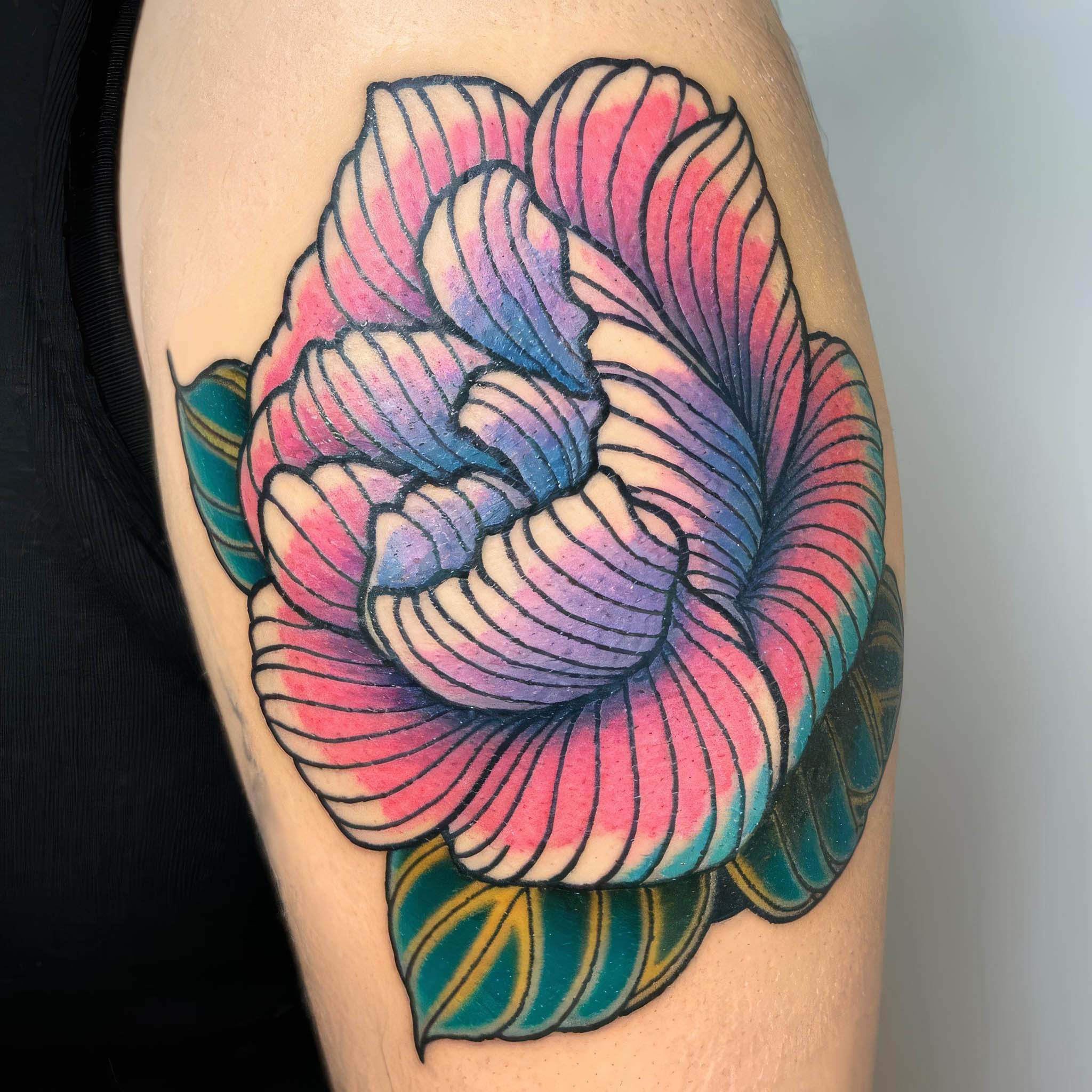

Building Your Tattoo Business: From Apprentice to Shop Owner
The tattoo industry offers incredible opportunities for creative entrepreneurs, but building a successful business requires more than artistic talent. This comprehensive guide will walk you through every stage of your tattoo career, from finding the right apprenticeship to opening your own shop.
The Tattoo Industry Landscape
Market Overview
The tattoo industry has experienced tremendous growth over the past decade, with the global market valued at over $1.5 billion. This remarkable expansion has been driven by increased social acceptance, celebrity influence, technological advances in equipment and techniques, and growing demand for custom, artistic work.
Career Opportunities
Traditional Career Path The most common progression follows a clear trajectory: Apprentice → Tattoo Artist → Senior Artist → Shop Manager → Shop Owner. This traditional path provides a structured approach to building both technical skills and business acumen, with each stage offering unique learning opportunities and challenges.
Alternative Paths The modern tattoo industry offers numerous alternative routes for ambitious artists. Guest artist and traveling opportunities allow you to work in different shops and markets, expanding your network and experience. Specialized niche markets, such as medical tattoos and cosmetic tattoos, offer unique opportunities for artists with specific interests and skills. Participating in tattoo competitions and conventions can also provide valuable networking opportunities and industry recognition.
Stage 1: Finding the Right Apprenticeship
What to Look for in a Mentor
Technical Expertise Look for mentors with strong portfolios featuring diverse styles, years of industry experience, knowledge of current techniques and equipment, and commitment to ongoing education. During your apprenticeship, focus on building a strong portfolio through professional photography to document your progress and prepare for future opportunities.
Teaching Ability Your mentor should demonstrate patient and clear communication, a structured learning approach, and willingness to invest time in your development. They should provide constructive feedback and create a supportive learning environment.
Business Knowledge A good mentor understands the business side of tattooing, including client management, pricing strategies, and industry regulations. They should be willing to share this knowledge and help you understand the commercial aspects of the profession.
The Apprenticeship Process
The apprenticeship journey is structured to build your skills progressively, from basic safety knowledge to independent tattooing. This systematic approach ensures you develop both technical abilities and professional competencies.
Learning Timeline
- Months 1-3: Basic safety, sterilization, and shop operations
- Months 4-6: Drawing and design fundamentals
- Months 7-12: Practice on synthetic skin and simple designs
- Months 13-18: First real tattoos under supervision
- Months 19-24: Independent work with guidance
Key Skills to Develop
- Technical tattooing skills
- Client consultation and communication
- Business and financial literacy
- Marketing and self-promotion
- Professional networking
Stage 2: Becoming a Professional Artist
Building Your Skills
As you transition from apprentice to professional artist, focus on developing both technical skills and business acumen. This dual development approach sets the foundation for long-term success in the industry.
Technical Development Focus on mastering fundamental techniques before specializing. Practice consistently, seek feedback from experienced artists, and never stop learning. Attend workshops, conventions, and educational events to expand your knowledge and skills.
Portfolio Development Create a diverse portfolio showcasing different styles and techniques. Document your work with high-quality photography and organize it professionally. Your portfolio should demonstrate growth, versatility, and technical proficiency.
Client Management
Consultation Skills Learn to conduct thorough consultations that understand client needs, manage expectations, and build trust. Effective communication is crucial for client satisfaction and repeat business.
Pricing Strategy Develop a pricing structure that reflects your skill level, market conditions, and business goals. Consider factors like design complexity, time investment, and your experience level when setting prices.
Stage 3: Advancing Your Career
Building Your Reputation
Quality Work Consistently deliver high-quality tattoos that exceed client expectations. Your reputation is built on the quality of your work and the experiences you provide to clients.
Professional Networking Build relationships with other artists, shop owners, and industry professionals. Attend conventions, join professional organizations, and participate in industry events to expand your network.
Marketing and Promotion Develop a strong online presence through social media, a professional website, and online portfolios. Use these platforms to showcase your work, connect with potential clients, and build your brand.
Career Advancement Options
Senior Artist Position As you gain experience and build your reputation, you may be offered a senior artist position with increased responsibilities, higher pay, and more creative freedom.
Guest Artist Opportunities Guest artist spots allow you to work in different shops and markets, expanding your experience and client base. These opportunities can lead to permanent positions or help you build relationships for future business ventures.
Stage 4: Shop Management and Ownership
Understanding Business Operations
Financial Management Learn to manage cash flow, track expenses, and understand profit margins. Develop skills in budgeting, financial planning, and business accounting.
Staff Management If you’re managing a shop, learn to hire, train, and motivate staff. Develop leadership skills and create a positive work environment that attracts and retains talented artists.
Client Relations Implement systems for client management, appointment scheduling, and customer service. Use professional tattoo shop management software to streamline operations and improve client experience.
Opening Your Own Shop
Business Planning Create a comprehensive business plan that includes market analysis, financial projections, and operational strategies. Consider factors like location, competition, and target market.
Legal and Regulatory Requirements Understand the legal requirements for operating a tattoo shop, including licensing, permits, health regulations, and insurance. Consult with legal and business professionals to ensure compliance.
Location and Setup Choose a location that’s accessible to your target market and suitable for your business model. Invest in quality equipment, create a professional environment, and ensure compliance with health and safety regulations.
Essential Business Skills
Financial Literacy
Budgeting and Planning Develop skills in creating and managing budgets, tracking expenses, and planning for growth. Understand the financial aspects of running a tattoo business, including equipment costs, rent, utilities, and staff expenses.
Pricing and Profitability Learn to price your services appropriately to ensure profitability while remaining competitive. Consider all costs, including time, materials, overhead, and desired profit margins.
Marketing and Branding
Brand Development Create a strong brand identity that reflects your artistic style and professional values. Develop a consistent visual identity and messaging that resonates with your target market.
Digital Marketing Master social media marketing, online advertising, and digital presence management. Use these tools to attract clients, showcase your work, and build your reputation.
Leadership and Management
Team Building Learn to build and manage a team of talented artists and support staff. Develop skills in hiring, training, motivation, and conflict resolution.
Operations Management Implement efficient systems for scheduling, inventory management, client communication, and quality control. Use technology and automation to streamline operations and improve efficiency.
Common Challenges and Solutions
Financial Challenges
Cash Flow Management Maintain adequate cash reserves and implement systems for tracking income and expenses. Consider seasonal fluctuations and plan accordingly.
Investment Decisions Make informed decisions about equipment purchases, shop improvements, and business expansion. Balance growth opportunities with financial stability.
Market Competition
Differentiation Develop a unique artistic style and service approach that sets you apart from competitors. Focus on quality, customer service, and specialization.
Market Positioning Understand your target market and position your business to serve their needs effectively. Consider factors like pricing, location, and service offerings.
Conclusion
Building a successful tattoo business requires a combination of artistic talent, business acumen, and professional development. By following a structured approach to career development, from apprenticeship to shop ownership, you can build a thriving business that supports your artistic goals and financial success.
Remember that success in the tattoo industry is built on relationships, reputation, and continuous improvement. Focus on delivering exceptional work, providing outstanding customer service, and building strong professional relationships. With dedication, hard work, and strategic planning, you can achieve your goals and build a successful career in the tattoo industry.