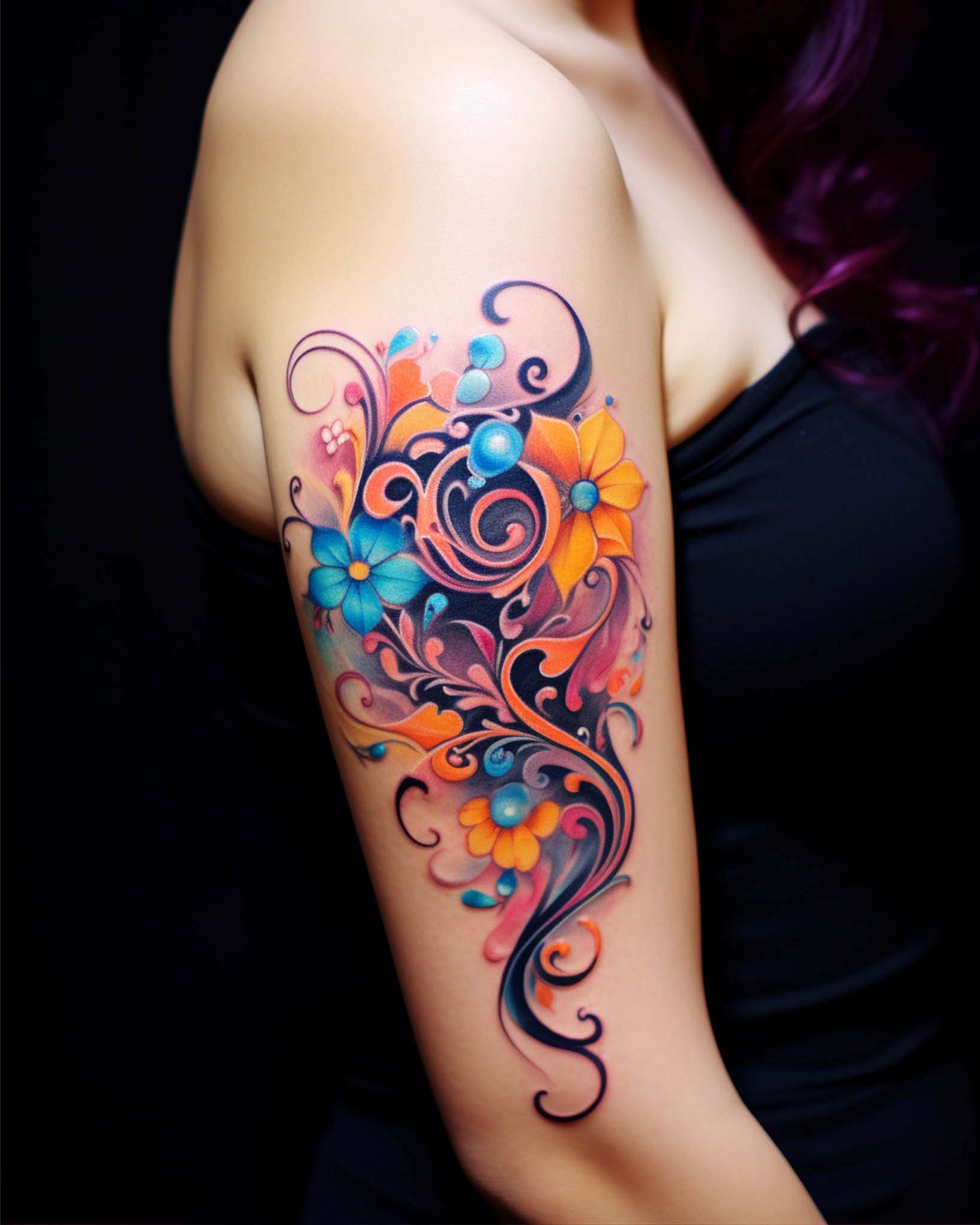


The Psychology of Tattoo Design: Understanding Client Needs and Creating Meaningful Art
Tattooing is more than just applying ink to skin—it’s a deeply personal and psychological process that involves understanding human motivations, emotions, and the complex relationship between art and identity. As a tattoo artist, your ability to understand the psychological aspects of tattoo design can transform your practice from simply creating beautiful art to crafting deeply meaningful experiences that resonate with your clients’ innermost needs and desires. This knowledge is essential for shop management and client education.
The Psychology Behind Tattoo Choices
Understanding Tattoo Motivations
Identity Expression Tattoos serve as powerful personal identity markers that allow individuals to express who they are, who they want to be, or who they have become. This identity expression can take many forms, from cultural and social identity representation to individual uniqueness and personal values. Some clients use tattoos to connect with their heritage or cultural background, while others seek to express their individuality and stand out from the crowd. Understanding how identity evolves over time is crucial, as clients may return for additional work that reflects their personal growth and changing perspectives.
Emotional Significance
- Commemoration and memorialization
- Healing and transformation
- Empowerment and strength
- Love and connection
Aesthetic and Artistic Appreciation
- Beauty and artistic value
- Personal style and taste
- Visual appeal and attraction
- Creative expression
Social and Cultural Factors
- Peer influence and social acceptance
- Cultural traditions and heritage
- Fashion and trend following
- Group membership and belonging
Psychological Benefits of Tattoos
Self-Expression and Identity
- Authentic self-representation
- Personal narrative creation
- Identity reinforcement and validation
- Creative self-expression
Emotional Healing and Processing
- Trauma processing and healing
- Grief and loss memorialization
- Personal growth and transformation
- Emotional regulation and coping
Empowerment and Control
- Body autonomy and ownership
- Personal choice and decision-making
- Strength and resilience expression
- Overcoming challenges and adversity
Connection and Belonging
- Family and relationship bonds
- Cultural and community connection
- Shared experiences and memories
- Social identity and group membership
The Consultation Process: Psychological Insights
The consultation process is where you gather the psychological insights needed to create meaningful tattoo designs. This phase requires emotional intelligence, communication skills, and genuine empathy to understand your clients’ deeper motivations and desires.
Building Trust and Rapport
Creating a safe, non-judgmental environment where clients feel comfortable sharing their motivations and desires is essential for effective consultations. This requires active listening, empathy, and genuine interest in understanding their story.
Creating a Safe Space
- Non-judgmental and accepting environment
- Confidentiality and privacy assurance
- Professional and respectful communication
- Emotional safety and comfort
Active Listening and Empathy
- Genuine interest in client’s story
- Empathetic understanding of motivations
- Validation of feelings and experiences
- Respectful questioning and exploration
Professional Boundaries
- Maintaining appropriate relationships
- Setting clear expectations
- Respecting client privacy
- Professional conduct and ethics
Understanding Client Needs
Surface vs. Deep Motivations
- Initial requests vs. underlying needs
- Symbolic vs. literal meanings
- Personal vs. social motivations
- Conscious vs. unconscious desires
Emotional Undercurrents
- Unspoken fears and concerns
- Hidden meanings and significance
- Emotional triggers and sensitivities
- Personal history and experiences
Design Preferences and Aesthetics
- Visual style and artistic preferences
- Color psychology and emotional impact
- Size and placement considerations
- Long-term satisfaction factors
Effective Communication Techniques
Open-Ended Questioning
- Encouraging detailed responses
- Exploring deeper meanings
- Understanding personal significance
- Building comprehensive understanding
Reflective Listening
- Paraphrasing and summarizing
- Validating feelings and experiences
- Clarifying understanding
- Building trust and rapport
Visual Communication
- Sketching and drawing during consultation
- Using reference materials effectively
- Explaining design concepts clearly
- Ensuring mutual understanding
Design Psychology and Symbolism
Color Psychology in Tattoo Design
Red
- Energy, passion, and intensity
- Love, courage, and strength
- Warning, danger, and power
- Cultural and personal associations
Blue
- Calm, trust, and stability
- Depth, wisdom, and truth
- Sadness, melancholy, and introspection
- Professional and reliable qualities
Green
- Nature, growth, and renewal
- Balance, harmony, and peace
- Money, prosperity, and success
- Healing and restoration
Yellow
- Happiness, optimism, and energy
- Creativity, intelligence, and wisdom
- Caution, warning, and attention
- Warmth and friendliness
Purple
- Luxury, creativity, and mystery
- Spirituality, wisdom, and magic
- Royalty, nobility, and power
- Imagination and inspiration
Black
- Elegance, sophistication, and mystery
- Power, authority, and strength
- Mourning, grief, and loss
- Timelessness and permanence
Symbolic Meanings and Cultural Context
Universal Symbols
- Crosses and religious symbols
- Hearts and love symbols
- Stars and celestial symbols
- Nature and animal symbols
Cultural Symbols
- Traditional cultural motifs
- Heritage and ancestry representation
- Religious and spiritual symbols
- Regional and local significance
Personal Symbols
- Individual meaning and significance
- Personal experiences and memories
- Family and relationship symbols
- Life events and milestones
Design Elements and Psychological Impact
Size and Scale
- Boldness and confidence expression
- Subtlety and discretion
- Impact and visibility
- Personal comfort and preference
Placement and Visibility
- Public vs. private expression
- Personal vs. social significance
- Accessibility and care considerations
- Professional and social implications
Style and Aesthetic
- Traditional vs. modern preferences
- Realistic vs. abstract representation
- Minimalist vs. detailed approaches
- Personal taste and artistic appreciation
Understanding Different Client Types
First-Time Tattoo Clients
First-time clients often experience anxiety about pain, permanence, and the tattooing process. They need education about the process, reassurance and comfort, clear communication about expectations, and ongoing support. Design considerations should focus on simpler, less complex designs that are meaningful and significant, with appropriate size and placement for long-term satisfaction.
Experienced Tattoo Clients
Experienced clients have higher quality and skill expectations, preferring more complex and detailed designs with specific style and technique preferences. They expect professional and efficient service, sophisticated and intricate designs, unique and original concepts, and technical and artistic challenges that help build your portfolio and reputation.
Memorial and Commemorative Tattoos
These clients are processing grief and loss, requiring emotional sensitivity and meaningful, respectful design that focuses on healing and comfort. Design considerations should include appropriate and respectful imagery, personal and meaningful elements, and healing and positive associations.
- Long-term emotional impact
Cover-Up and Correction Tattoos
Emotional Complexity
- Past regret and disappointment
- Hope for improvement and change
- Trust and confidence rebuilding
- New beginning and transformation
Technical and Design Challenges
- Working with existing tattoos
- Creative problem-solving
- Realistic expectations and limitations
- Successful outcome planning
Creating Meaningful Design Experiences
The Collaborative Design Process
Client Involvement and Input
- Encouraging active participation
- Valuing client ideas and preferences
- Balancing artistic vision with client needs
- Creating shared ownership of the design
Iterative Design Development
- Multiple design options and variations
- Feedback incorporation and refinement
- Client approval and satisfaction
- Final design confirmation
Personalization and Customization
- Unique and original design creation
- Personal elements and significance
- Individual style and preference integration
- Meaningful and lasting design choices
Building Emotional Connections
Storytelling Through Design
- Narrative and meaning creation
- Personal history and experience integration
- Symbolic representation and communication
- Emotional resonance and impact
Creating Lasting Significance
- Timeless and meaningful design choices
- Personal growth and change accommodation
- Long-term satisfaction and appreciation
- Life-long significance and value
Psychological Considerations in Design
Body Image and Self-Perception
Positive Body Image Enhancement
- Self-acceptance and appreciation
- Confidence and empowerment
- Personal beauty and attractiveness
- Body ownership and autonomy
Addressing Body Image Concerns
- Sensitivity to body image issues
- Supportive and positive approach
- Realistic expectations and outcomes
- Professional and respectful treatment
Life Transitions and Changes
Major Life Events
- Birth, death, and significant milestones
- Career changes and personal growth
- Relationship changes and developments
- Health and wellness journeys
Transformation and Growth
- Personal development and change
- Overcoming challenges and adversity
- New beginnings and fresh starts
- Identity evolution and growth
Mental Health and Wellness
Therapeutic Benefits
- Emotional processing and healing
- Stress relief and coping mechanisms
- Self-expression and communication
- Empowerment and control
Supporting Mental Health
- Sensitivity to mental health issues
- Professional and appropriate boundaries
- Supportive and understanding approach
- Referral to appropriate resources when needed
Ethical Considerations and Professional Responsibility
Informed Consent and Decision-Making
Ensuring Informed Choices
- Clear communication about permanence
- Realistic expectations and outcomes
- Alternative options and considerations
- Time for reflection and decision-making
Protecting Vulnerable Clients
- Recognizing emotional vulnerability
- Appropriate professional boundaries
- Supportive and non-exploitative approach
- Referral to appropriate resources
Cultural Sensitivity and Respect
Cultural Appropriation Awareness
- Understanding cultural significance
- Respectful and appropriate representation
- Avoiding offensive or inappropriate imagery
- Cultural sensitivity and education
Religious and Spiritual Considerations
- Respecting religious beliefs and practices
- Appropriate and respectful imagery
- Understanding spiritual significance
- Professional and sensitive approach
Advanced Psychological Techniques
Motivational Interviewing
Client-Centered Approach
- Non-confrontational and supportive
- Exploring ambivalence and motivation
- Building intrinsic motivation
- Supporting self-efficacy and confidence
Change Talk and Commitment
- Identifying readiness for change
- Building commitment to decisions
- Supporting follow-through and action
- Maintaining motivation and engagement
Narrative Therapy Approaches
Storytelling and Meaning-Making
- Personal narrative exploration
- Meaning and significance creation
- Identity and self-concept development
- Healing and transformation support
Reframing and Perspective
- Positive reframing of experiences
- New perspective and understanding
- Growth and learning opportunities
- Empowerment and strength building
Measuring Success and Client Satisfaction
Psychological Outcomes
Client Satisfaction and Happiness
- Overall satisfaction with the experience
- Emotional impact and significance
- Long-term appreciation and value
- Positive word-of-mouth and referrals
Personal Growth and Development
- Increased self-confidence and empowerment
- Enhanced self-expression and identity
- Emotional healing and processing
- Personal transformation and growth
Professional Development
Skill and Knowledge Enhancement
- Understanding of human psychology
- Improved consultation and communication skills
- Enhanced design and artistic abilities
- Professional growth and development
Business and Reputation Benefits
- Increased client satisfaction and retention
- Positive reputation and word-of-mouth
- Professional recognition and respect
- Business growth and success
Conclusion
Understanding the psychology of tattoo design transforms your practice from simply creating beautiful art to crafting deeply meaningful experiences that resonate with your clients’ innermost needs and desires. By developing your psychological insight and communication skills, you’ll be able to create not just tattoos, but lasting connections and meaningful transformations.
The key to success lies in:
- Developing genuine empathy and understanding
- Creating safe, supportive environments for clients
- Balancing artistic vision with client needs
- Respecting the profound significance of tattoo choices
- Maintaining professional boundaries and ethics
Remember that every tattoo represents a story, a moment, a feeling, or a transformation. Your role as an artist is not just to create beautiful work, but to help your clients express their authentic selves and create lasting meaning in their lives.
Ready to Create Meaningful Tattoo Experiences?
The Pro Ink Awards community celebrates artists who demonstrate deep understanding of their clients’ needs and create meaningful, transformative experiences. Your psychological insight and empathetic approach will set you apart in the industry.
Join the Pro Ink Awards Community:
- Follow us on Instagram @tattoostudiopro
- Share your meaningful tattoo stories
- Connect with fellow artists who value client psychology
- Access exclusive resources and training opportunities
Develop Your Psychological Skills:
- Study human psychology and behavior
- Practice active listening and empathy
- Learn about symbolism and meaning
- Create deeper client connections
The psychology of tattoo design is the bridge between art and meaning. Master these insights, and you’ll create work that not only looks beautiful but also touches the soul.